
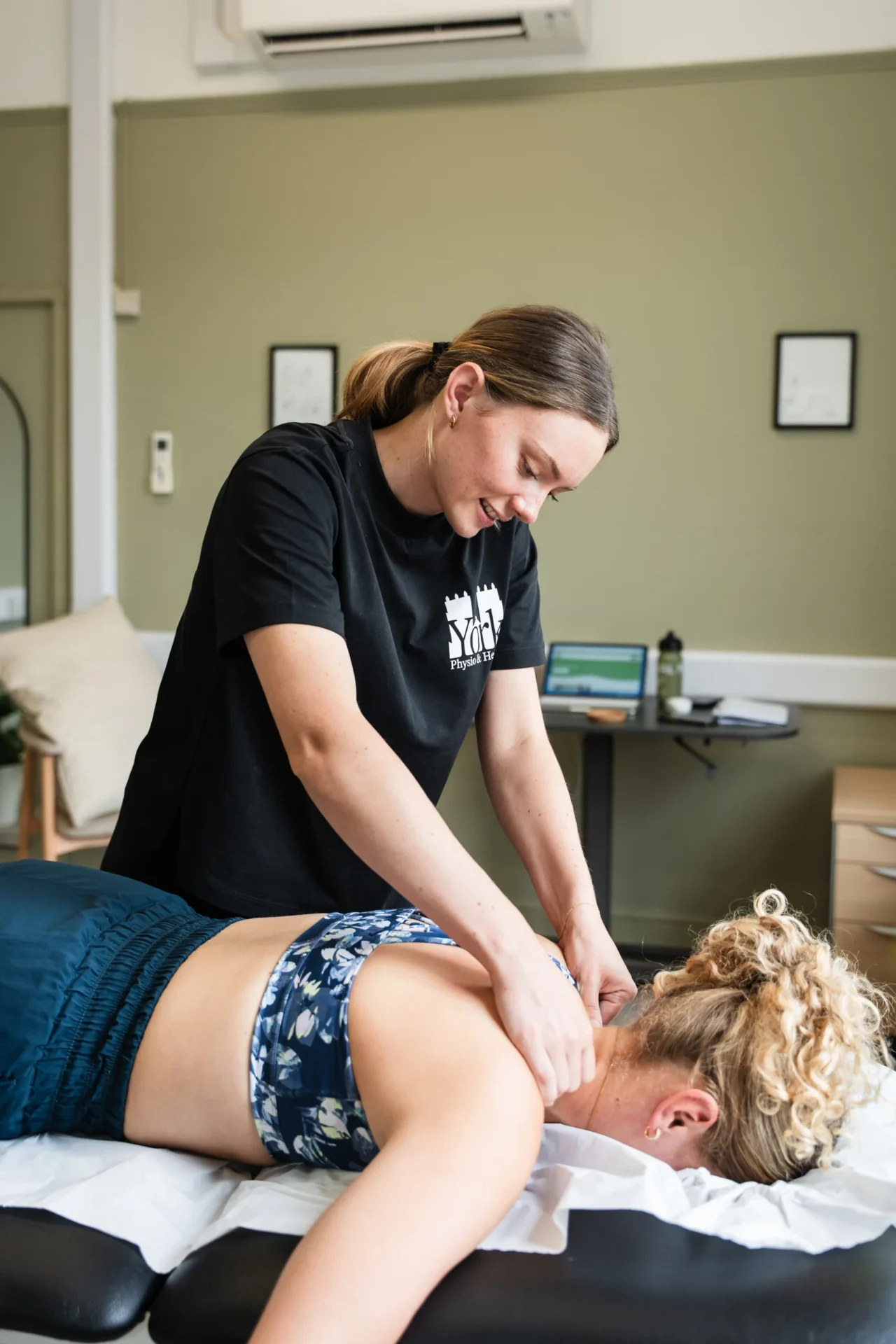
Jaw pain, clicking, locking, or difficulty chewing can all be signs of temporomandibular joint (TMJ) dysfunction. At York Physio & Health, we identify the cause and create a personalised plan to ease it, so that eating, talking and everyday life feel comfortable again.
The temporomandibular joints are the two joints that connect your lower jaw to your skull, just in front of each ear. When the muscles and joints that control jaw movement stop working well together, the result can be pain, stiffness and unusual noises when you move your mouth. This group of problems is known medically as temporomandibular disorder, or TMD.
What is TMJ dysfunction?
Temporomandibular disorder is a common condition that affects the movement of the jaw. The NHS notes that it is often linked to teeth grinding, stress, wear of the joint, an uneven bite or a blow to the jaw, and that it frequently settles with simple, conservative care. Evidence summarised by the Chartered Society of Physiotherapy suggests that up to a third of UK adults experience TMD symptoms at some point, although only a small proportion seek treatment for them.
Because the jaw, head and neck work closely together, TMJ problems can also contribute to headaches, neck pain and facial discomfort. This is why we assess the whole area rather than the jaw on its own. If jaw tension is feeding into your headaches, our work on the jaw and neck can help, and you can read more on our headaches page.

Common signs and symptoms
TMJ dysfunction can feel different from one person to the next. You might notice:
- Pain or tenderness around the jaw, ear or temple
- Clicking, popping or grinding sounds when you open or close your mouth
- Your jaw locking, or difficulty opening your mouth fully
- Pain that gets worse when chewing or during stressful periods
- Headaches, neck pain or aching around the face
- A feeling that your bite has changed
What causes TMJ pain?
TMJ pain is often the result of a combination of factors rather than a single cause. Common contributors include muscle tension in the jaw and neck, teeth grinding or clenching (often during sleep), stress, an injury or blow to the jaw, posture, and changes within the joint itself. Working out which of these apply to you is an important part of getting lasting relief, because treatment is most effective when it addresses the underlying cause and not only the symptoms.


How physiotherapy helps TMJ pain
Physiotherapy is one of the treatments the NHS may recommend for TMD, particularly for advice on jaw exercises and massage. Our approach is hands-on and personalised, and it forms part of our wider physiotherapy service. Depending on what we find during your assessment, your plan may include:
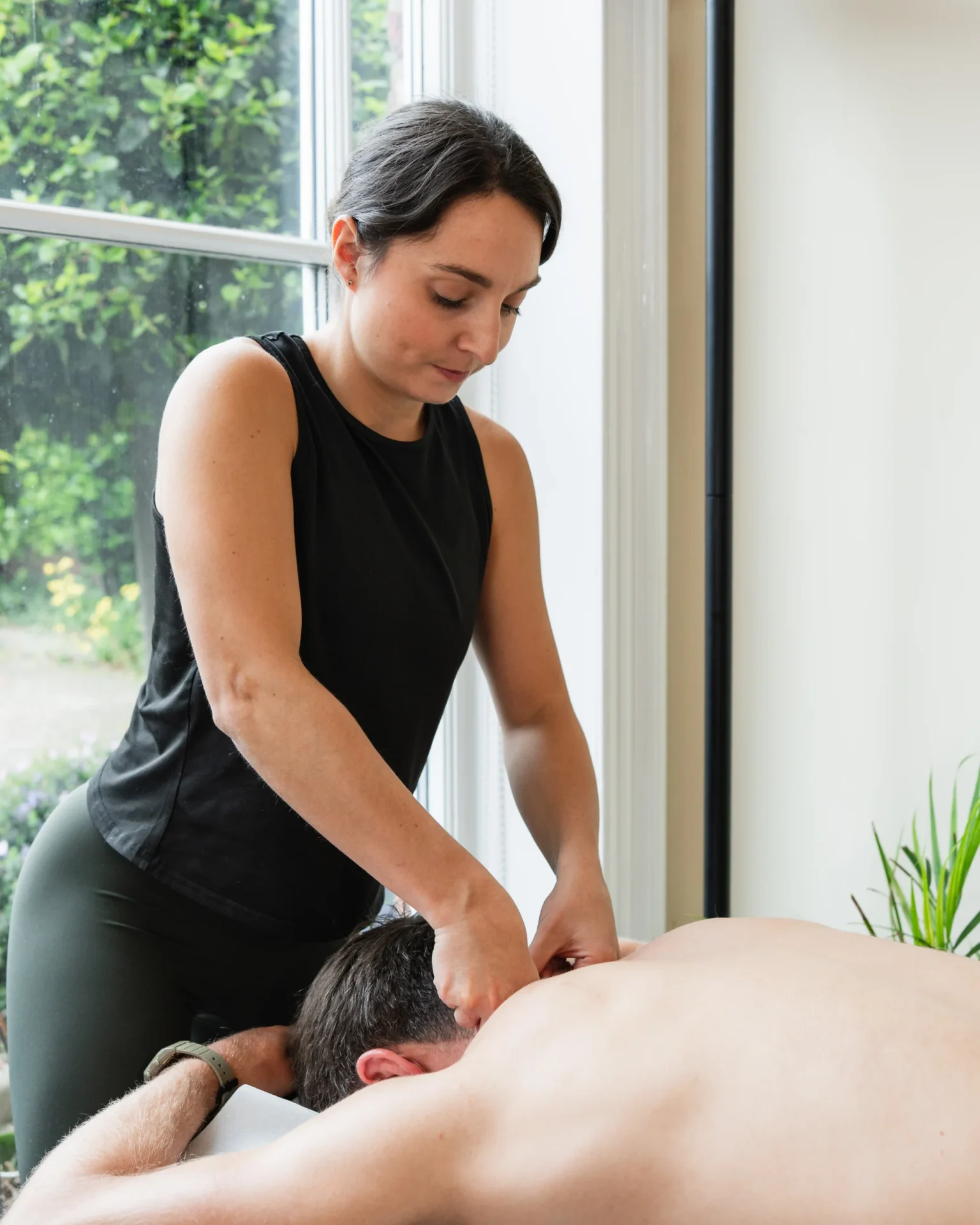
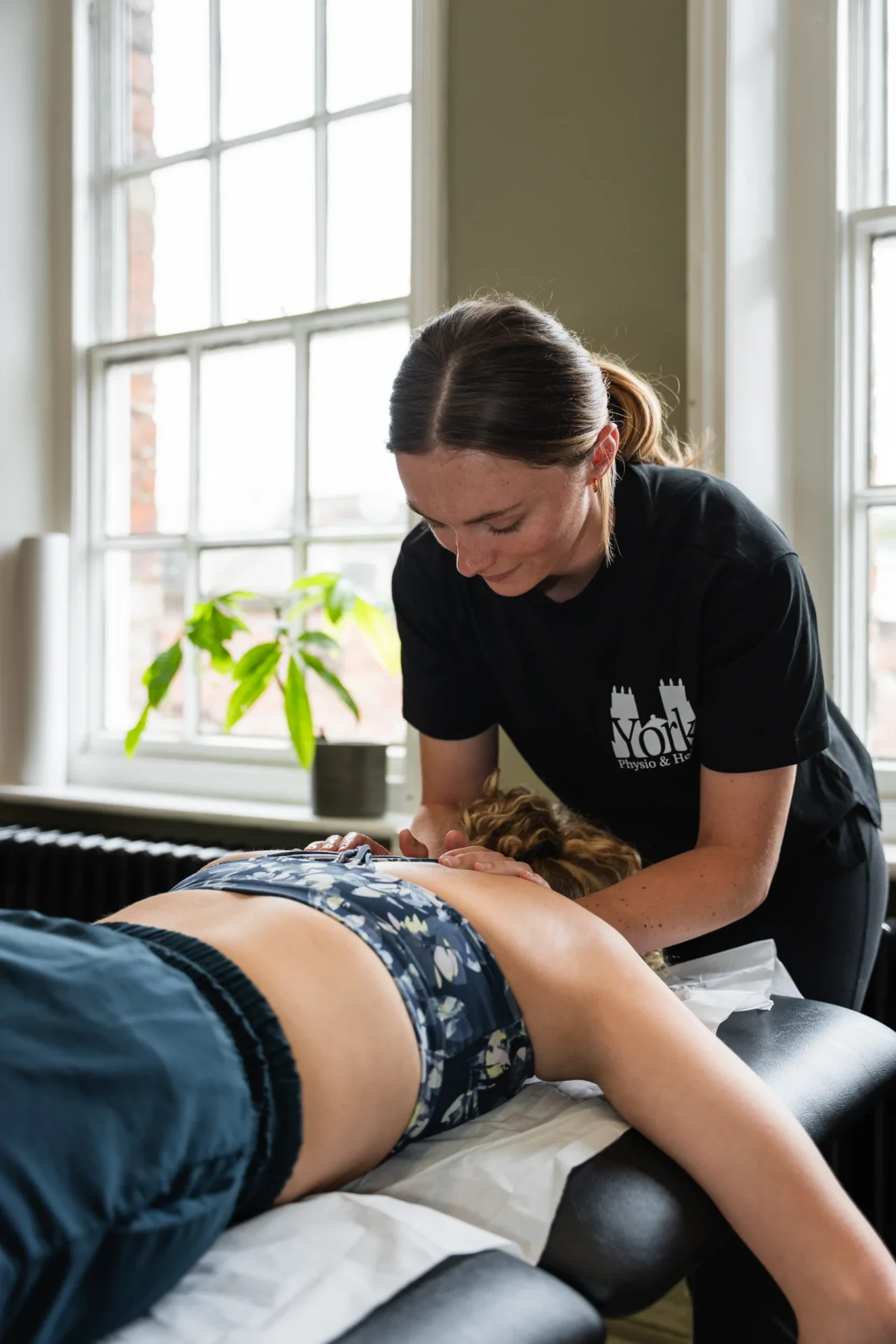
- Manual therapy, including gentle massage and mobilisation of the jaw and surrounding muscles, to ease tension and improve movement
- Jaw-specific exercises to restore control, strength and comfortable movement
- Work on your neck and posture, which are closely linked to jaw function and are covered further on our back and neck pain page.
- Advice on daytime habits, relaxation and sleep to reduce clenching and grinding
- A home exercise programme so you can keep making progress between appointments
For some people, complementary treatments such as acupuncture can help with pain and muscle tension as part of a wider plan. We will only ever recommend what is appropriate for you. The evidence base summarised by the Chartered Society of Physiotherapy supports conservative, reversible treatments like these, with self-management at the centre of recovery.
What to expect from your appointment
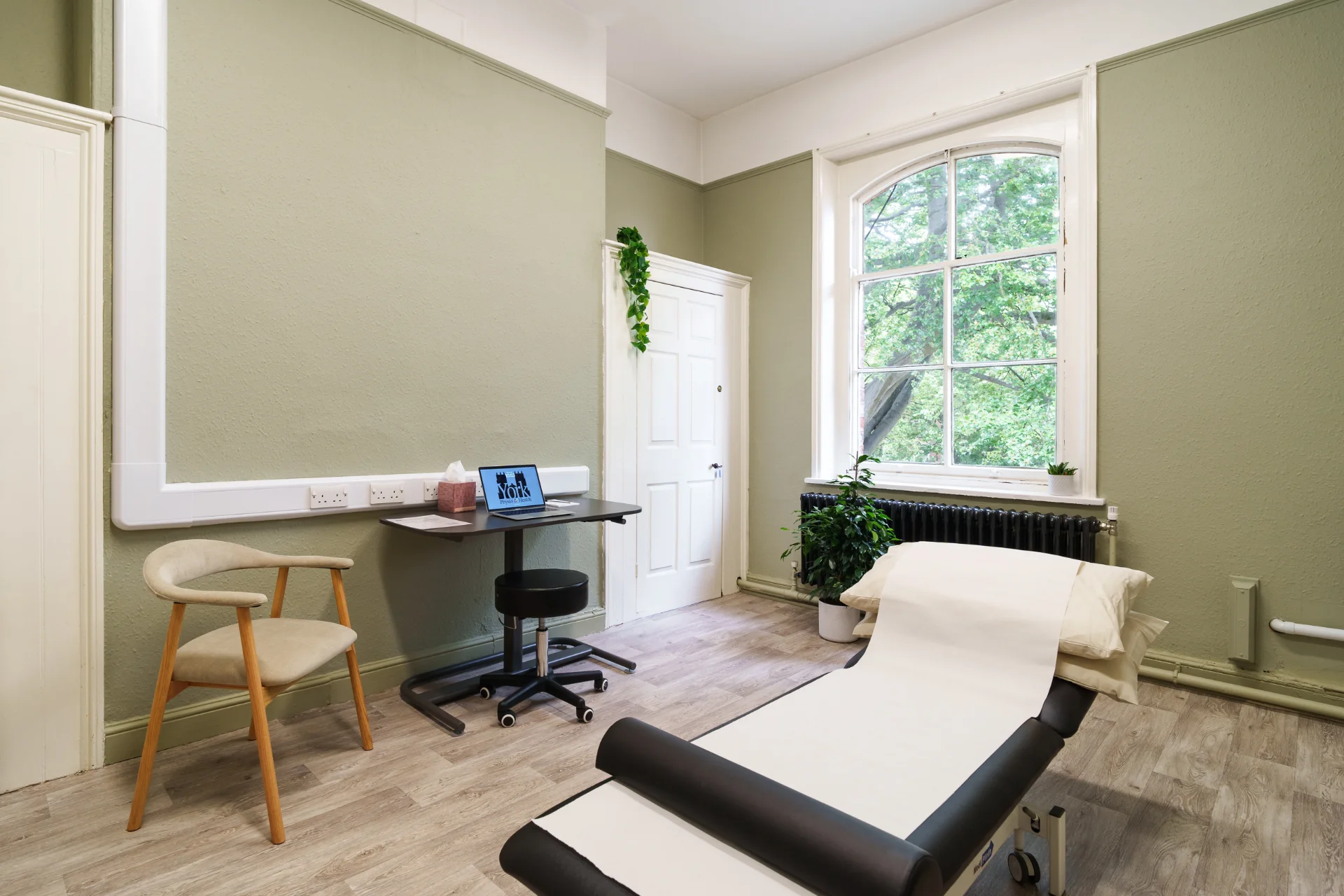
We carry out a thorough assessment to identify the underlying cause before creating a personalised treatment plan. At your first appointment we will ask about your symptoms, your general health and any habits or stresses that may be contributing. We will look at how your jaw, neck and posture move, then explain what we have found in plain language. From there we agree a plan together, which may include hands-on therapy, jaw-specific exercises and strategies to improve how your jaw moves. The result we are working towards is less pain and tension, and a lot more comfort eating, talking and living.
Expert, personalised care
Our physiotherapists are chartered members of the Chartered Society of Physiotherapy and registered with the Health and Care Professions Council (HCPC), the statutory regulator for physiotherapists in the UK. That means your care is delivered to recognised professional and safety standards. You can read more about our clinical team on the meet the team page and about how we work on our about us page.
TMJ treatment FAQs
Do I need a referral to see a physiotherapist for jaw pain?
No. You can book directly with us and you do not need a referral from a GP or dentist. If we feel another professional should be involved in your care, we will let you know.
How many sessions will I need?
This varies from person to person, depending on the cause and how long you have had symptoms. Many people notice an improvement within a few sessions, and we will give you a clearer idea after your first assessment.
Can physiotherapy help TMJ-related headaches?
Often, yes. Because the jaw, neck and head are closely connected, easing jaw and neck tension can help reduce related headaches. We assess the whole area to find what is driving your symptoms.
Is treatment painful?
Treatment is generally gentle. Some hands-on techniques may feel tender at first, but we always work within your comfort and explain what we are doing as we go.
What can I do at home to help?
Eating softer foods, avoiding chewing gum, applying a warm or cold pack, being aware of clenching, and managing stress can all help. We will give you specific exercises and advice suited to you.
Book TMJ treatment in York
If jaw pain, clicking or stiffness is affecting your daily life, we can help. Book an appointment online or contact our clinic on 01904 373 145. You will find us at 35 Monkgate, York YO31 7PB.