
What is neurological physiotherapy?
Neurological physiotherapy supports people living with conditions that affect the brain, spinal cord and nerves, such as Parkinson’s and stroke. These conditions can change the way the body moves, and rehabilitation aims to help you regain function, build confidence and stay as independent as possible. Our approach is goal-led and personalised, built around the activities that matter most to you, and it forms part of our wider physiotherapy service.
How neurological conditions affect movement
Neurological conditions like Parkinson’s and stroke can lead to muscle stiffness, weakness, poor balance, and difficulty with everyday tasks like walking, standing up or getting dressed. These changes can also increase the risk of falls and knock your independence and confidence.
Parkinson's
The NHS describes the main symptoms of Parkinson’s as tremor, slowness of movement, stiff and inflexible muscles, and balance problems that can increase the chance of a fall. Physiotherapy is one of the supportive treatments recommended to help people manage these changes and stay active.
Stroke
After a stroke, the Stroke Association notes that people often experience weakness or paralysis on one side of the body, along with problems with movement, balance, coordination and everyday activities. Rehabilitation helps you relearn movement and rebuild the skills that a stroke can affect.
How physiotherapy helps
We carry out a thorough assessment to understand how your condition is affecting you before creating a personalised treatment plan. Depending on your needs and goals, this may include:
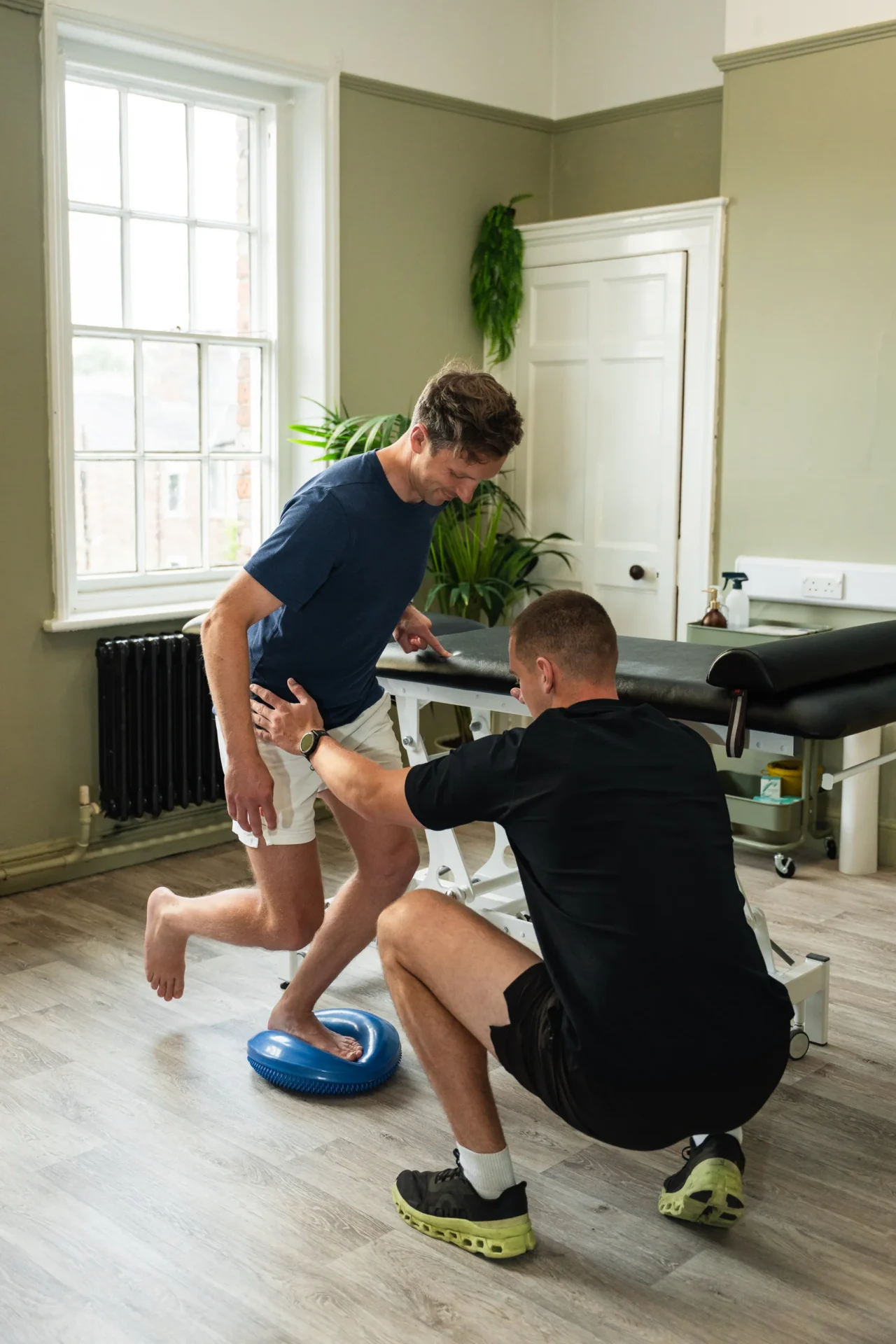
- Balance and coordination training to help you feel steadier and reduce the risk of falls
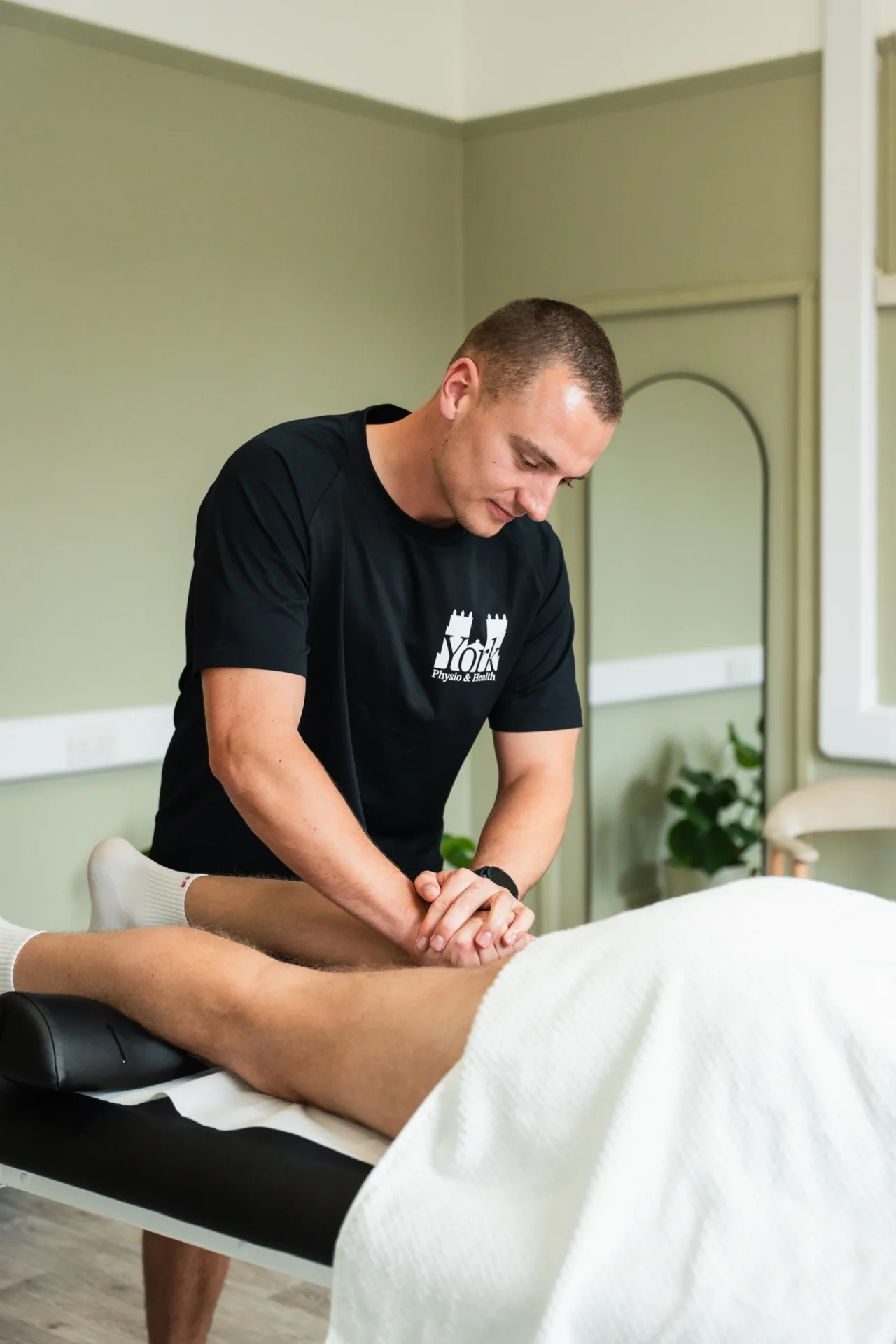
- Strength and mobility exercises to support everyday movement
- Gait re-education to improve how you walk
- Strategies to manage stiffness and fatigue
- Task-specific practice, working on the real activities you want to do, such as getting out of a chair or walking outdoors
For Parkinson’s, NICE guidance (NG71) recommends that people are offered Parkinson’s-specific physiotherapy when they have balance or motor difficulties, and that referral to a physiotherapist with experience of Parkinson’s is considered early, so that support can begin when it is most helpful.
For stroke, recovery relies on repetition and the brain’s ability to relearn movement. As the Stroke Association explains, practising regularly, including exercises at home between sessions, is an important part of recovery. The result we work towards is improved movement, greater confidence and more independence in daily life.
What to expect from your appointment
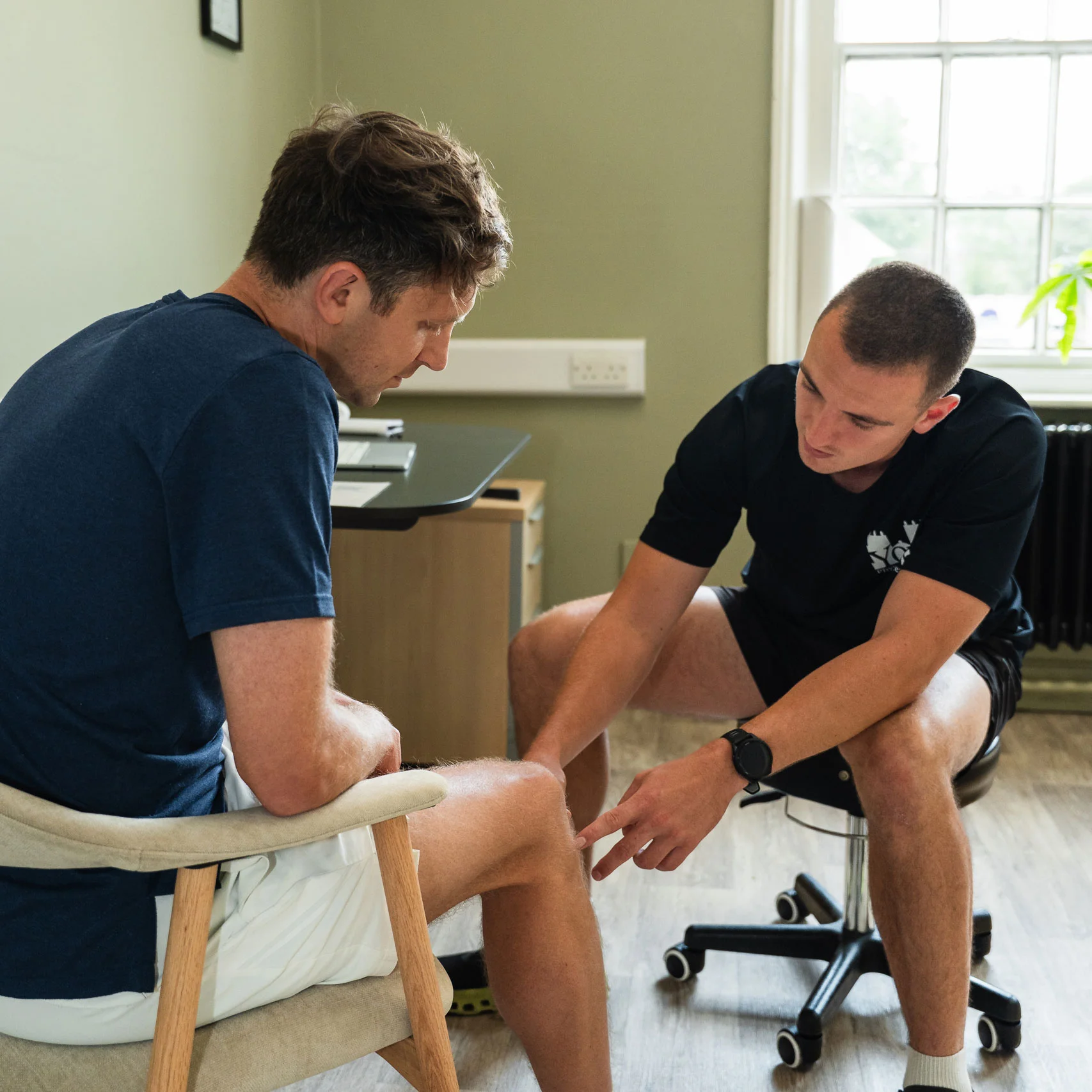
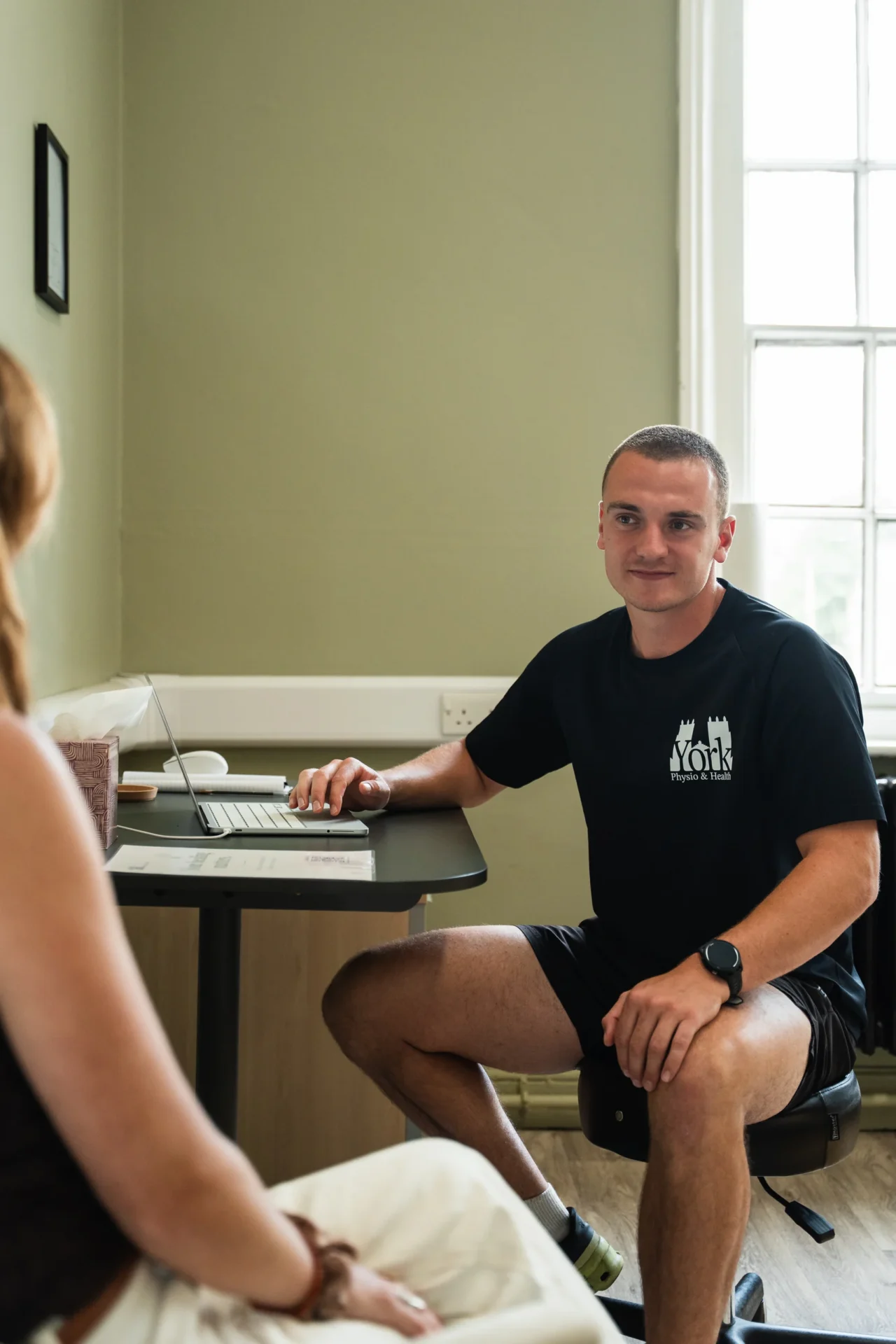
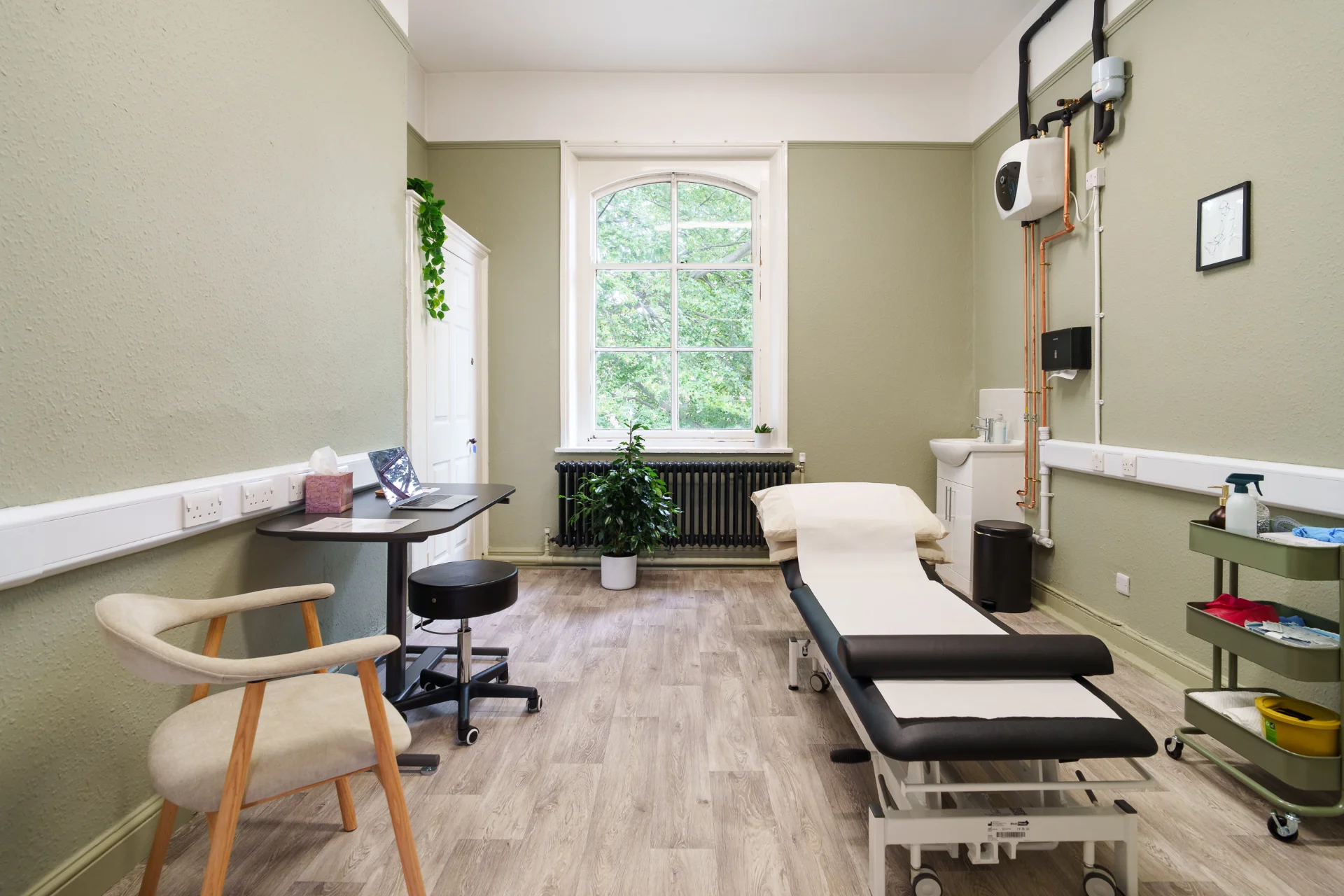
At your first appointment we will take time to understand your history, your current abilities and the goals that matter to you, whether that is walking more safely, moving around your home with less effort, or feeling steadier on your feet. We will assess your movement, balance, strength and walking, then explain what we have found and agree a plan together. You are welcome to bring a family member or carer, who can help support your exercises at home. Where it helps, we are happy to work alongside your GP, consultant, Parkinson’s nurse or stroke team.
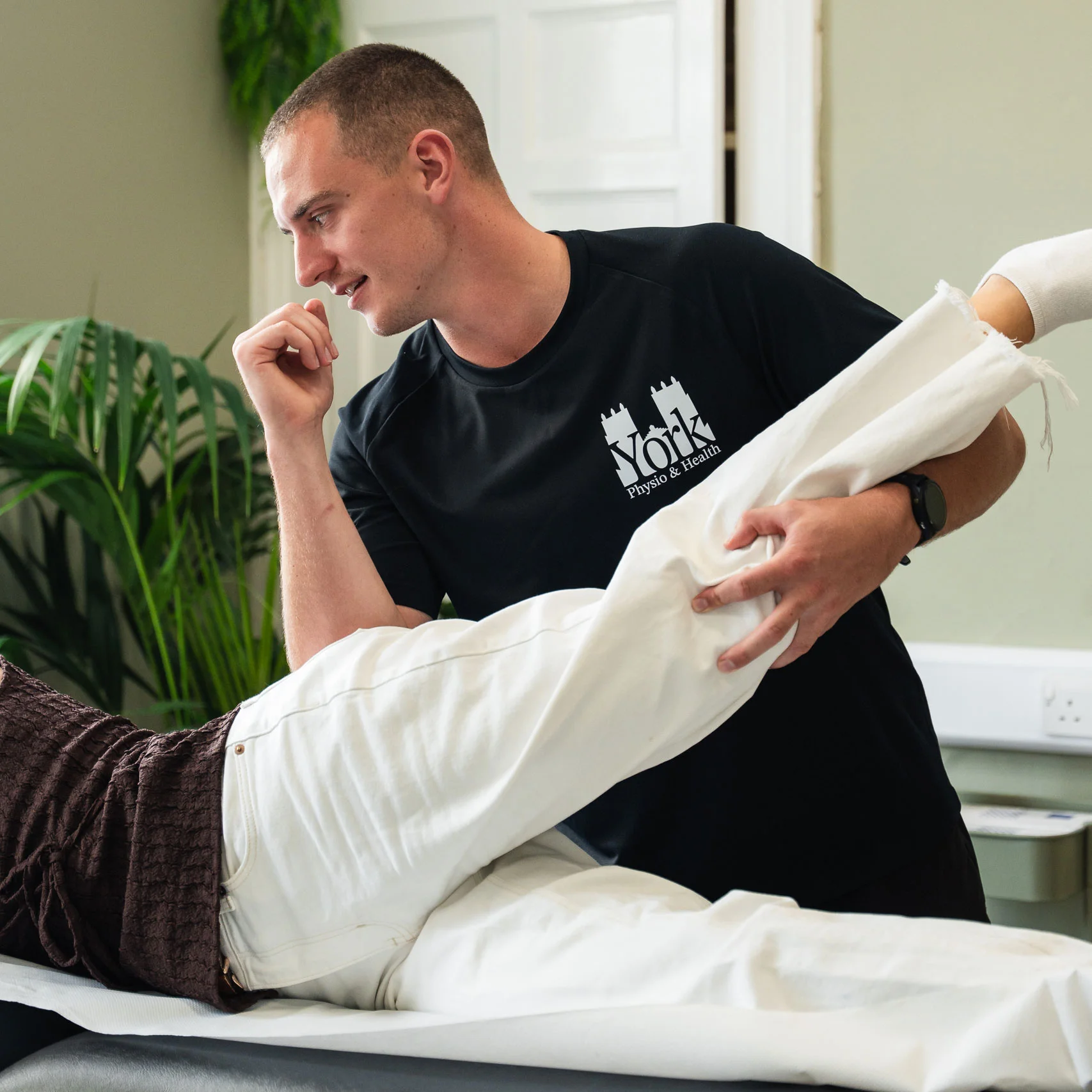
Expert, personalised care
Our physiotherapists are chartered members of the Chartered Society of Physiotherapy and registered with the Health and Care Professions Council (HCPC), the statutory regulator for physiotherapists in the UK, so your care is delivered to recognised professional and safety standards. You can read more about our clinical team on the meet the team page and about how we work on our about us page. Details of appointments and fees are on our pricing page.
This page was written and reviewed by the clinical team at York Physio & Health. It is intended for general information and is not a substitute for individual assessment or advice from a qualified healthcare professional. Always continue to take medication as prescribed and speak to your GP or specialist about any medical concerns.
Recognising a stroke: act FAST
A stroke is a medical emergency. If you or someone else shows any of these signs, call 999 straight away:
- Face has it dropped on one side, can the person smile?
- Arms can they lift both arms and keep them there?
- Speech is it slurred, or are they unable to talk?
- Time if you see any of these signs, it is time to call 999.
Neurological physiotherapy FAQs
Do I need a referral for neurological physiotherapy?
No. You can book directly with us. We are also happy to work alongside your GP, consultant, Parkinson’s nurse or stroke team where that helps your care.
Can physiotherapy help if my condition is long-standing?
Yes. Rehabilitation and regular exercise can be helpful at many stages of a neurological condition, not only soon after diagnosis or a stroke. We tailor your plan to where you are now and what you want to achieve.
Can you help reduce my risk of falls?
Often, yes. Balance training and strength work can help you feel steadier and reduce the risk of falls. We assess your balance and mobility and target the areas that will make the biggest difference for you.
Can a family member or carer come to my appointment?
Yes. You are welcome to bring a family member or carer. They can help support your exercises at home, which is an important part of getting the most from your rehabilitation.
Book neurological physiotherapy in York
If Parkinson’s, a stroke or another neurological condition is affecting your movement, balance or confidence, we can help. Book an appointment online or contact our clinic on 01904 373 145. You will find us at 35 Monkgate, York YO31 7PB.